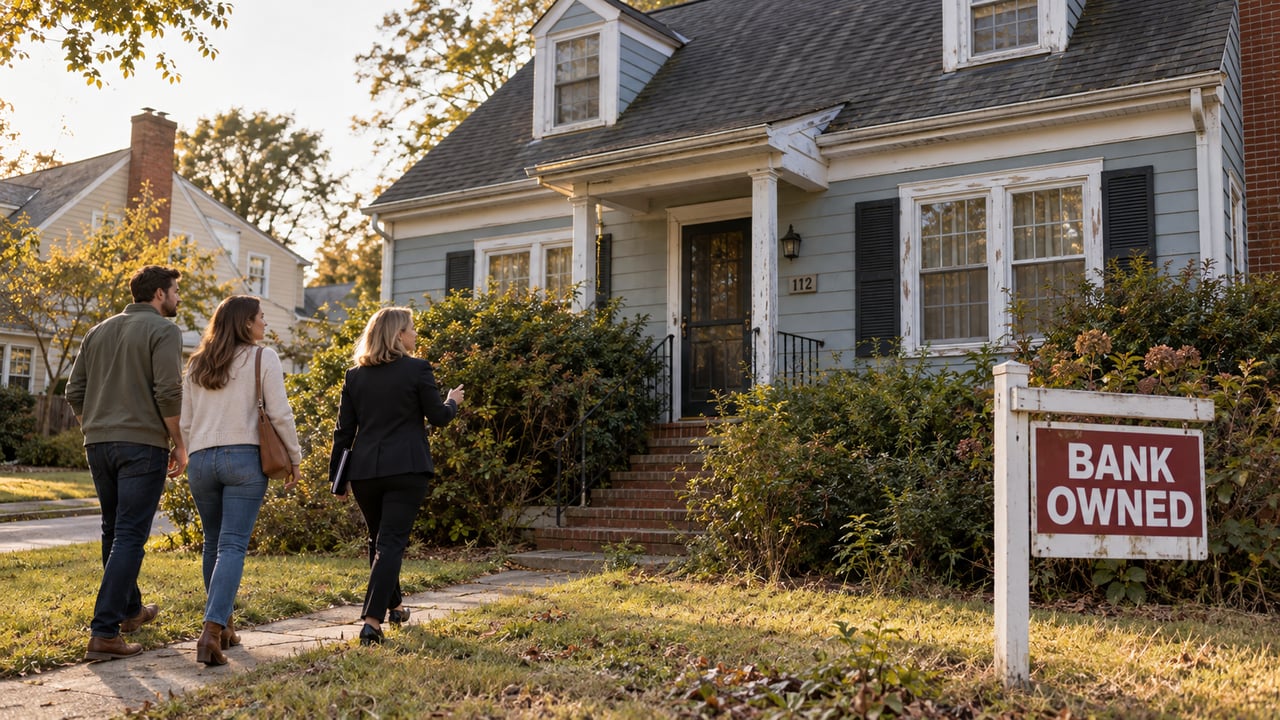
If you have been house hunting in Coastal Virginia or Coastal NC and wondering whether buying a distressed property could help you break into a market that otherwise feels tight, you are asking the right question. Distressed properties can genuinely be one of the best paths to value in a real estate market, but they also come with a specific set of considerations that standard home purchases do not. Understanding how buying a distressed property actually works in Coastal Virginia is the difference between a great deal and a stressful money pit. Here is an honest guide for buyers who want to explore this path.
Start with what “distressed property” actually means, because the term covers several different situations. The most common types you will see in Coastal Virginia are foreclosures (homes that have gone through the legal foreclosure process and are now owned by the lender), short sales (homes where the seller owes more on the mortgage than the home is worth and is selling with lender approval for less than owed), REO or bank-owned properties (homes the lender took back after an unsuccessful foreclosure auction and now wants to sell), estate sales (homes being sold after an owner’s death, sometimes with deferred maintenance), and pre-foreclosure sales (homes being sold by owners facing financial pressure). Each type works differently from a timeline, pricing, and negotiation standpoint.
The appeal of distressed properties is real, and it comes down mostly to price. Distressed sellers (whether banks, estates, or struggling owners) are typically more motivated and more flexible on price than traditional sellers. In Coastal Virginia, where inventory can be tight and prices firm, finding a distressed property in a desirable neighborhood can genuinely be a path to real value. The tradeoff is that distressed properties almost always come with condition issues, longer or more complicated timelines, and specific financing considerations that standard transactions do not require. The buyers who do well with distressed properties are the ones who go in with clear eyes about what they are taking on.
Condition is almost always the biggest factor. Distressed properties have often been neglected for months or years, sometimes with deferred maintenance that goes well beyond cosmetic. Roofs, HVAC systems, plumbing, electrical, and foundation issues are all common. In Coastal Virginia specifically, add the moisture intrusion, mold, salt air damage, and storm-related wear that can accumulate in a vacant coastal home. A thorough inspection is non-negotiable. Many distressed property buyers also commission specialized inspections for HVAC, electrical, roof, and sometimes structural engineering, since the general inspection may not catch everything a distressed home can hide. Walk in with a renovation budget that is honest and conservative, not optimistic.
Financing a distressed property requires some planning. REO and foreclosed properties are often sold as-is, which can complicate traditional conventional, FHA, and VA financing. These loans typically require the property to meet certain condition standards, and a distressed home may not. FHA 203k and conventional renovation loans (like Fannie Mae HomeStyle) can be structured to include renovation costs in the mortgage, making them particularly useful for distressed properties. Cash purchases are often preferred by sellers of distressed properties because they close faster and have fewer condition contingencies, which is one reason investors dominate parts of this market. For owner-occupant buyers using financing, work with a lender who specifically understands renovation loan programs.
Timelines on distressed property transactions can be unpredictable. Short sales in particular can take anywhere from a few weeks to several months to receive lender approval, since the seller’s lender has to approve the sale at a loss. Foreclosure auctions require buyers to pay in cash on the day of auction with no inspection contingency, which is a specialized world that most owner-occupant buyers should avoid. REO properties typically close on more standard timelines but may require longer due diligence periods. Estate sales depend heavily on the status of the probate process. Have patience, understand the specific situation of any distressed property you consider, and build your expectations around it.
There are also specific Coastal Virginia considerations worth knowing. Distressed properties in coastal flood zones carry the same insurance and elevation certificate considerations as any coastal home, and sometimes more complicated ones if the previous owner let flood insurance lapse. Properties in HOA communities can carry outstanding HOA liens that transfer with the property. Properties with deferred maintenance in a coastal climate often have hidden moisture problems that are expensive to address properly. The best buyers in this space work with agents who have genuine experience with distressed properties and the specific local considerations that come with them.
Buying a distressed property is one of the most rewarding paths to real estate value when it works, and one of the most frustrating when it does not. The difference is almost always experience and preparation. Our Thrive Realty team has deep experience with foreclosures, short sales, and REO transactions across Coastal Virginia and Coastal NC, and we would love to help you think through whether this path is right for your situation. Reach out whenever you are ready to explore.