October is right around the corner, and if you own a home in Coastal Virginia or Coastal NC, this is exactly the moment to start thinking about winter. Winters here are milder than most of the country, but they are not gentle, and coastal homes face a specific mix of challenges that inland homes do not. Salt air, humidity, occasional hard freezes, nor'easters through the winter months, and the possibility of late-season tropical systems all mean that winterizing a coastal home is genuinely its own thing. A weekend of practical prep now can save you significant headaches and expenses through the cold months. Here is a practical checklist.
Start with the systems that keep your home warm and dry. Get your HVAC system serviced before the heating season really begins, since technicians book up quickly in October and November. Change your air filter, and consider stocking up on a few extras so you have them handy through the winter. If you have a heat pump, which most Coastal Virginia and Coastal NC homes do, make sure your emergency or auxiliary heat is working properly, since you will need it during our few genuinely cold snaps. If you have a gas furnace, boiler, or fireplace, have those inspected and serviced by a licensed pro before you rely on them. Test carbon monoxide detectors and replace batteries in every smoke detector while you are at it.
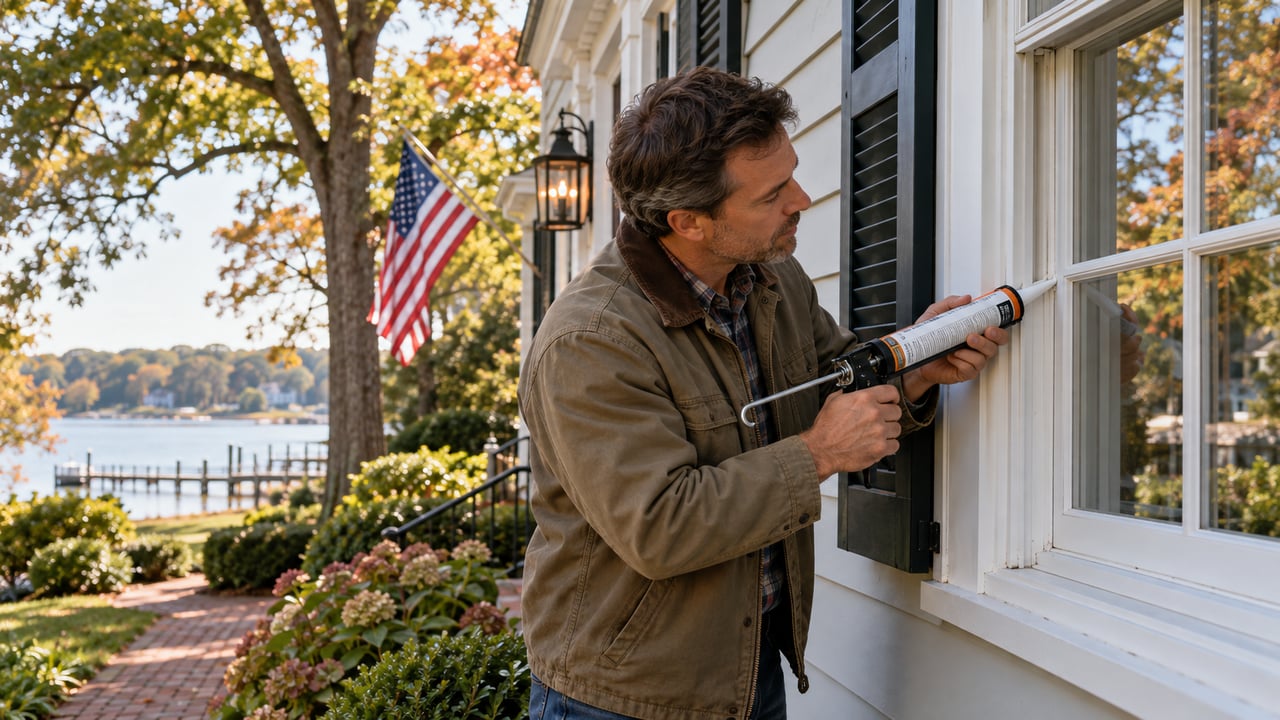
The exterior side of winterization takes on real importance in coastal climates. Walk your home slowly and look at every window and door for gaps in caulk, worn weatherstripping, or spots where cold air will find its way in. Refresh caulking wherever it looks tired, and replace weatherstripping on doors that no longer seal cleanly. Check your gutters and downspouts one final time before the leaves are fully down, since clogged gutters during a winter freeze-thaw cycle can cause ice dams and water damage even in our milder climate. Make sure downspouts are extending water well away from the foundation, which matters especially during winter rain events.
Plumbing deserves specific attention, because coastal Virginia does get hard freezes a few times each winter. Disconnect and drain garden hoses, and shut off outdoor faucets from the interior valves if your home is set up for it. Insulate any exposed pipes in unheated areas like crawl spaces, garages, or attics. Know where your main water shutoff is, and make sure every adult in the household knows too. If you plan to travel during a cold stretch, either drain the plumbing or leave the heat set high enough (usually at least fifty five degrees) to prevent freezes.
There is a coastal-specific layer worth addressing too. If you own waterfront property, walk your dock, pier, or bulkhead now and address any needed repairs before winter storms arrive. Remove or secure any outdoor furniture, planters, grills, or decorative items that could become projectiles in a nor'easter. Check exterior lights, salt-worn hardware, and any spots where saltwater exposure has done its work over the summer. Landscaping around coastal homes should be trimmed back from siding, gutters, and roof lines, since winter winds and storms can drive branches into surfaces you would rather protect.
Do not forget the small things that quietly matter through winter. Check your smoke and carbon monoxide detectors, replace batteries, and test each one. Have your fireplace inspected and cleaned if you plan to use it, and stock up on firewood early if that is part of your routine. Rodents and pests tend to look for warmth in the fall, so seal any exterior gaps and set traps or call an exterminator if you have had issues before. If you have a vacation home, second home, or rental property, arrange for someone to check on it periodically through the winter, since problems that go undiscovered for weeks are almost always more expensive than problems caught early.
Winterizing coastal homes in Coastal Virginia and Coastal NC is not glamorous, but it is one of the highest-return uses of a Saturday afternoon a homeowner will get all year. Our Thrive Realty agents work with coastal homeowners every season and know which prep steps really matter here. If you need a recommendation on a trusted local HVAC pro, roofer, or handyman before winter, reach out. We are happy to share what we know.